

Are You the “Helper Type”? That’s Why Avoidants Dismiss You So Easily
Why do avoidants dismiss you so easily? Why can they shut you down, judge you for your needs, or walk away without a second thought?
If you’ve ever found yourself wondering where they get the audacity, you’re not alone.
Today, I want to talk about something I’ve lived through myself, and that I see over and over again among my coaching clients. The hidden reason why avoidants can dismiss you so easily is: You’re the Helper Type.
What Is the Helper Type?
The “Helper Type” comes from the Enneagram, a personality framework describing nine interconnected types. The Helper (Type 2) is defined by a strong desire to be loved, needed, and appreciated through helping and nurturing others.
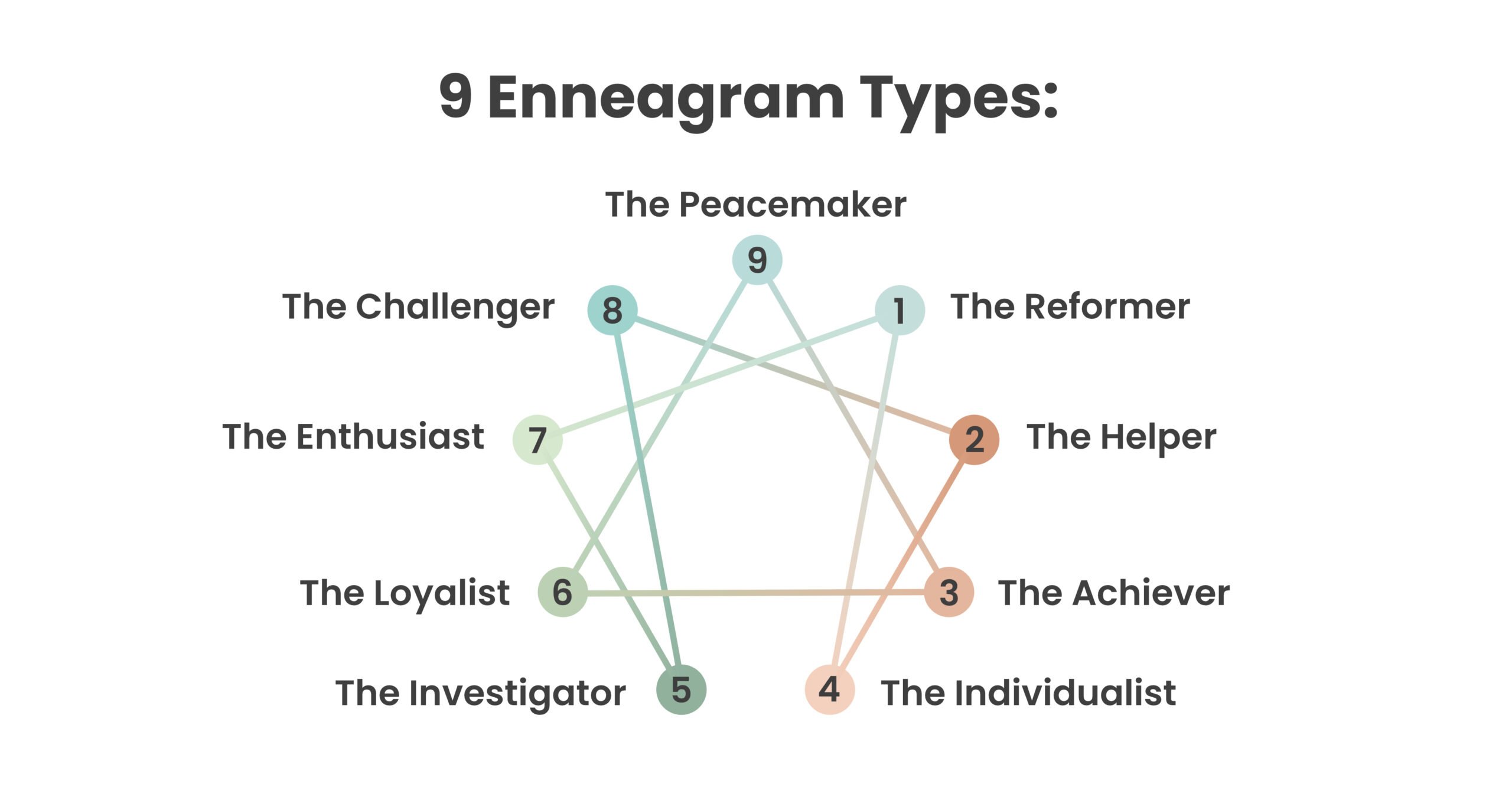
Helpers are empathetic, warm, generous, and deeply caring, but they often struggle with boundaries and tend to put others first, even at their own expense.
Even if you’re not like this in every part of your life, many people who date avoidants slip into this helper role in relationships.
How Helpers Behave in Relationships
Helpers love deeply. They remember details, offer support, and take pride in being reliable. They find meaning in taking care of others. It’s part of how they show love!
For me, it started early. I’m the oldest sister with much younger siblings, so I was always the responsible one, the one who helped and who organized things.
And yes, being a helper isn’t all bad. It’s actually attractive to avoidants. They crave the safety and nurturing you bring. But that same goodness: the giving, the empathy, the caretaking, can also make it far too easy for avoidants to dismiss you.
Here’s why.
1. You Put Their Needs Above Your Own
Avoidants already prioritize themselves. When you, as the helper, start doing the same, putting their comfort, plans, and moods ahead of your own, you reinforce the idea that their needs matter more than yours.
So when your needs clash with theirs, for example, you want comfort, and they want space, they feel justified in dismissing you. You both subconsciously agree that your needs are less important.
And when you believe that, they act on it.
2. You Put On a Brave Face
Helpers hate burdening others. So even when you’re hurting, you might act like everything’s fine.
You smile through pain. You send friendly messages when you’re falling apart. You become the “strong one.”
The problem? Your avoidant partner believes the act. They assume you’re fine. They can’t see that you’re quietly breaking down, because you’ve hidden it too well.
Avoidants aren’t mind readers. If you never show your struggle, they’ll never realize the impact of their behavior.
3. You Feel Guilty for Having Needs
This one hits deep.
If you’ve ever felt guilty for asking for reassurance, attention, or support, you’re not alone. Helpers often feel bad for simply existing with needs.
And that guilt sends a powerful signal. Your avoidant partner thinks, “If they feel guilty, maybe they really are being unreasonable.”
Suddenly, your needs look like demands. Your emotions look like overreactions. This is how guilt turns into emotional gaslighting, and how avoidants end up feeling justified in dismissing you.
4. You Believe You’re Replaceable
When your sense of worth is tied to how much you give, it’s easy to believe someone else could come along and “outdo” you: be more patient, more supportive, more loving.
That’s your fear talking, not reality.
Avoidants pick up on this insecurity. They sense that you don’t see your own value, and it gives them silent permission to take you for granted or even walk away.
But here’s the truth: They know you’re special. They know why they can’t quite let go. They breadcrumb you because they don’t want to lose you.
You just have to stop acting like you’re replaceable before they’ll stop treating you that way.
5. You Take Responsibility for Everything
Helpers feel responsible for their partner’s feelings, mistakes, even their messes.
Your avoidant partner knows it. They know you’ll reach out first after a fight. They know you’ll fix things, pay the bills, or smooth things over when they’ve been cold or careless.
This makes them complacent.
Why change when you’ll clean up the mess for them?
But this dynamic can shift. When you stop rushing to fix things, you create space for your avoidant partner to take responsibility. It may take time. Avoidants move much slower. But they will step up if you leave room for them to.
The Shift That Changes Everything
Your needs matter just as much as your partner’s. You don’t have to be endlessly strong. You don’t have to earn love by over-giving. You’re allowed to have boundaries, limits, and emotions.
Once I stopped trying to carry the relationship alone, everything changed.
Our dynamic became more equal. My then formerly avoidant boyfriend began worrying about losing me. And it all started with me releasing the guilt and remembering that I deserve love.
Final Thoughts
Being a helper type isn’t a flaw. It’s a beautiful strength, but it needs balance.
When you stop over-functioning, your avoidant partner has no choice but to meet you halfway. When you stop carrying all the emotional weight, they finally feel what it’s like to miss your warmth.
You don’t have to be perfect or fully “secure.” Just small shifts, a little less guilt, a little more honesty, can completely transform the anxious-avoidant dynamic.
If this resonates with you, be sure to check out our program Attach an Avoidant. Here we help you go from chasing to being cherished, from anxious and dismissed to seen and valued.

I hope you found this helpful. It’s never easy to see your own contributions that make avoidants treat you badly. Once you see it, you cannot unsee it. You also automatically stop tolerating dismissive treatment. Because you don’t deserve it, and it’s not your job to hold a relationship together!
Karolina

How I Finally Got My Avoidant Partner To Trust Me
How do you win an avoidant’s trust and make them feel safe so they don’t feel the need to pull away anymore?
Much like many of you, I fell head over heels for someone with an avoidant attachment style. From the very beginning, I knew it was going to be challenging — but I didn’t realize just how challenging until I was already deep in it.
Avoidants test you and push you to your limit. They pull away, only to come back. One moment you’re in love, the next you’re left feeling neglected and abandoned.
For the longest time, I asked myself: “What do I have to do to make my avoidant boyfriend finally trust me? How can I make him feel safe, so that he’ll open up instead of needing space?”
The answer turned out to be painfully simple.
Our Story: Karolina & Gabriel
Hi, I’m Karolina. Together with my formerly avoidant husband, Gabriel, we run this blog and our YouTube channel, where we share insights about attachment styles and relationships.
This post is about the obvious (yet overlooked) secret that made my avoidant partner finally feel safe with me — and how our relationship transformed because of it.
Why Avoidants Struggle With Trust
If you’re familiar with attachment theory, you know that avoidants often:
- Struggle to trust others
- Guard their freedom fiercely
- See threats to their independence where there are none
- Stay distant and emotionally closed off
That was Gabriel in a nutshell.
No matter how much I reassured him, no matter how many times I said I was okay with giving him space, he didn’t believe me. He would twist my words, paint me as controlling, and push me to the point where I started doubting myself.
Sound familiar? If you’re with an avoidant, you probably know exactly how this feels.
The Turning Point
After our third breakup, something inside me shifted.
Instead of our problems escalating, they began to die down. I started feeling more secure. I worried less about being abandoned and began to relax about our future again.
Why? Because I stopped giving blind, unconditional trust. I realized I needed Gabriel to prove himself again. I started setting boundaries. I began protecting my own sense of safety instead of just worrying about his.
And that’s when everything changed.
The Obvious Secret: Mutual Trust
Here’s the truth I discovered:
👉 Trust is a two-way street.
If you don’t trust your avoidant partner, they won’t be able to trust you. If you don’t feel safe, they won’t feel safe either.
Instead of trying to win Gabriel’s trust, I focused on building mutual trust. I made myself feel safe first — and when I did, he began to feel safe, too.
The Two Big Changes I Made
1. I Stopped Hiding My Feelings
Anxious partners often bottle up anger, showing it indirectly instead of openly. I used to do that. But after our third breakup, I stopped.
For example: Gabriel once surprised me by flying all the way from Austria to northern Greece for my birthday. It was a huge, romantic gesture. But two weeks later, he broke up with me again.
This time, I didn’t swallow my pain. I told him exactly how upset and angry I was. I didn’t sugarcoat it.
Of course, his first reaction was to get defensive: he tried to blame me for blind-siding him! But I didn’t let him twist the story, or dismiss my feelings. For the first time in our history, I was the one who was rejecting him and needing space from him. But he didn’t just give up and let go, he tried harder. He waited until I was ready to talk in person. A month later we met up for a coffee but ended up making and getting back together. I made him earn my trust back, by doing it, I also earned his.
2. I Started Making Plans Without Him
I stopped waiting for his input before making decisions. I booked a trip to Norway with a friend without asking if he wanted to join.
He was jealous, yes, but also impressed. He started planning ahead with me instead of assuming I’d just be available. That shift built respect and trust between us.
Why This Works
When you stop carrying the entire relationship on your shoulders and start honoring your own needs, you create balance.
Standing up for yourself and being honest makes you more trustworthy. Pretending everything is fine when it’s not only erodes connection.
Love and trust can’t be built with an idea of someone, they have to be built with the real person in front of you.
A Hard Truth
Now, I want to be clear: not every avoidant will rise to the occasion.
Some are too self-absorbed or too scared of intimacy to truly let someone in. Some relationships won’t work, no matter what you do.
But if there’s real potential, you need to give your avoidant the chance to prove themselves, and you need to stop sacrificing yourself in the process.
The Takeaway
The secret wasn’t chasing Gabriel harder or bending over backwards to make him feel safe. The secret was learning to value my own safety and trust first, and letting him step up to meet me.
And that’s exactly what he did.
Want to Learn More?
Transforming an anxious-avoidant relationship isn’t easy. It takes work, growth, and a willingness to be honest with yourself and your partner.
That’s why Gabriel and I created our program Attach an Avoidant — where we share the exact steps we used (and that we’ve taught countless coaching clients) to rebuild trust and connection.
If you’re ready to stop the cycle and finally feel safe in your relationship, check it out here.
And if this story resonated with you, I’d love to hear your thoughts in the comments below. 💙
Karolina

I Was Dating an Avoidant. Here’s What Made Him Stop Pulling Away
If you have ever been caught in the anxious avoidant cycle, you know how draining it can be. One partner is chasing closeness, while the other pulls away. Both feel misunderstood, and the relationship turns into a rollercoaster.
That was exactly the pattern between me and my husband, Gabriel, in the early years of our relationship.
Our Anxious Avoidant Story
When Gabriel and I first met in 2012, things moved fast. He was attentive and caring, even planning surprise trips. But a few months in, our anxious avoidant dynamic appeared. I craved more closeness, while he needed more independence. I wanted commitment, he was not sure.
Six months later, I took him to a wedding to meet my whole family, and that is where we had our first breakup. That moment kicked off a painful cycle of breakups and makeups. Each time, things got harder for me as my anxiety grew and his avoidance deepened.
The Breaking Point
After our third breakup, I hit my limit. I realized I could not keep fixing the relationship by myself. I wanted a stable, dependable partner, and if Gabriel could not give me that, I had to accept it.
That decision, to stop doing all the emotional heavy lifting, was the first breakthrough. Instead of hiding my feelings or trying to manage the relationship, I got honest about where I was.
Ironically, this shift is what pulled Gabriel closer. He saw I was not playing the same role anymore. I was not cushioning him from my pain or making excuses. If he wanted to stay in my life, he had to step up.
The Power of Letting Go
When I let go of carrying the relationship alone, Gabriel began to take more responsibility. He started making more effort, rebuilding trust, and rebuilding our friendship.
It was not immediate. We both dated other people in that time, and it showed us how rare our emotional connection was. Our chemistry, our shared values, and our laughter were not easy to replace.
This was the first big change that helped break us out of the anxious avoidant trap.
Breakthrough 2: Communication
The second change was communication, real two-way communication.
Gabriel had often said that I was not listening to him. Eventually, I understood what he meant. I began listening in the way he needed, and it made a huge difference. A week later, we had the same kind of argument, only this time it was reversed. Gabriel learned how to make me feel heard.
That was the second breakthrough, learning to listen, to speak up, and to make each other feel understood.
Why Avoidants Pull Away
Avoidants do not pull away because they do not care. They withdraw when the emotional connection feels broken. During the honeymoon phase, things feel effortless because both partners are open and vulnerable. Over time, routines form, expectations pile up, and real communication drops. That is when avoidants start to distance themselves.
What keeps them close is not endless patience or giving unlimited space. It is maintaining the emotional bond.
What Finally Made Him Commit
Here is a quick summary for you guys. The two changes we made that helped us escape the anxious-avoidant trap were:
- I stopped trying to fix everything by myself, which forced Gabriel to step up
- We rebuilt our bond through honest, two-way communication.
This combination strengthened our friendship, deepened our love, and intensified our chemistry. We are not perfect, and we still have conflicts, but now we handle them in a way that does not damage our connection. We have not broken up since 2013.
Key Takeaway
If you are wondering how to make your avoidant partner commit, it is not about chasing harder, giving unlimited space, or putting your needs aside. It is about creating a genuine emotional bond where both people share the work.
Be honest with yourself. Be honest with your partner. Do not try to fix everything alone. Connection and communication are what keep avoidants invested.
Want to Go Deeper?
Changing your dynamic with an avoidant partner is a gradual process, and you do not have to do it all alone.
That is why we created our program, Attach an Avoidant.
It walks you through the stages of an avoidant relationship, the common pitfalls, and how to communicate in a way that creates closeness without chasing.
Learn more about Attach an Avoidant here.
This was quite a personal story, and I hope you find it helpful. Thanks for reading, and see you in the next one!
Karolina

Why Do We Get Anxious in Relationships—And How to Stop It
You know that feeling. That panic and urgency. The voice in your head that says, “Just send one more text. Just ask one more time. Just go over there.”
If you’ve ever felt this way in a relationship, you are so not alone. I’ve been there too, I even showed up uninvited at my boyfriend’s place once (yes, really). And I work with so many women who feel exactly the same. Even secure people can feel anxious in love.
So let’s talk about it. In this post, I’ll break down:
- When and why we get anxious in relationships
- Whether it actually helps or hurts
- And most importantly: what to do instead
When Does Relationship Anxiety Hit?
Think about the moments that make you feel like you’re spiraling:
- You text your partner and… nothing. Hours pass. When they finally reply, it’s cold or vague.
- You want intimacy or quality time, and they shut you down.
- You go through a breakup, even one that feels “neutral.”
What do all these have in common? Rejection.
It doesn’t have to be big or obvious. Rejection can be as subtle as a dry reply or a delayed answer. But emotionally, it hits like a mosquito bite, it leaves a mark and makes you itch to do something.
What’s the Purpose of Anxiety?
Here’s something most people don’t realize: the purpose of your anxiety is to motivate you to fix the rejection.
It’s there to help you make sure you restore the connection in your relationship. That you get your partner to respond, to say, “I care. I’m here. I still want you.”
It’s not random. It’s your nervous system going into full-blown mission mode.
Does Acting Anxious Actually Help?
In the short-term? Sometimes.
I’ll never forget the night I showed up at my boyfriend’s place after he asked for space. He had a big day ahead and told me he needed rest. But I had a fight with my roommate and couldn’t be alone.
So I let myself in. After midnight. Tried to sleep on the couch quietly, but he woke up, was furious… and then just pulled me into bed. We cuddled and fell asleep.
It worked that time. But only because it was an exception.
What I see with clients is the same. The first anxious message gets a reply. The first emotional plea gets a little reassurance. But if you keep on doing it, your partner will start to feel overwhelmed. They will inevitably end up saying things like:
- “This is too much.”
- “I can’t give you what you need.”
- “I feel smothered.”
And if your partner leans avoidant? It backfires even faster. They start withdrawing, going cold, breaking up, or ghosting.
How Do You Stop the Anxiety Spiral?
Here’s what actually helps:
You accept that you’re not going to get what you want in that moment. You stop fighting the rejection.
That sounds harsh, but stay with me. When you stop trying to force a different outcome, something shifts. You take your power back.
“They aren’t coming to save me right now. What I see is what I get. That doesn’t mean I’m not enough, it just means I won’t get what I want by pushing.”
That mindset is how you snap out of anxious mode. It calms the storm.
When I was caught in spirals, I’d literally say to myself: “Stop acting like a hurt little kid. You’re not helpless. Grow up. Face the music.”
What to Do Instead of Acting Anxious
So what should you do when your partner pulls away, ignores you, or goes vague?
Here are two powerful alternatives to acting anxious:
1. Counter the Rejection
Think of it like a video game. Your opponent makes an attack, and you hit the right button at the right moment, and you counter.
If your partner ignores a request of yours (like for example, your need for planning ahead), don’t chase or over-explain. Instead, counter their rejection by deprioritizing them:
- Make other plans.
- Stay unavailable.
- Don’t follow up.
So when they text last minute wanting to hang, you say:
“Oh I’m busy. Remember, I like planning ahead.😉”
2. Set a Boundary
Especially if you’re dealing with an avoidant, boundaries are essential.
Avoidants often stay in the gray zone, warm one day, distant the next. That won’t change until you change.
For me, it happened when, after our third breakup, I said to my now-husband:
“No, I don’t want to grab coffee anymore. I’m hurt and angry, and I need space.”
It didn’t fix things overnight. He pulled away more at first. But I didn’t feel anxious anymore, because I knew I’d said what needed to be said.
Eventually, he came back with clarity. Because when avoidants sense they’re really about to lose you, that’s when they grow.
Final Thoughts
Relationship anxiety is normal. But if you keep acting on it, you can end up sabotaging the connection you want most.
Instead of spiraling, try these two things:
- Counter the rejection
- Set a clear boundary
Neither one feels amazing in the moment, but they protect your peace and shift the dynamic in the right direction.
Want Help Navigating Anxiety in Love?
If you’re caught in the anxious-avoidant cycle and want real tools to break it, my husband and I created a step-by-step program to guide you:
Attach an Avoidant
We’ll help you:
- Regulate your anxiety and feel secure again
- Set healthy boundaries (with actual scripts!)
- Rebuild trust and connection without begging or over-explaining
- Understand how avoidants think and what makes them commit
Click here to check out the program.
If you found this helpful, leave a comment or share it with someone who needs it.
Thank you for reading!
Karolina

Are You Teaching Your Avoidant Partner to Take You for Granted?
Nobody likes discovering that they might be the source of their own misery.
It’s not just that something might be your fault… facing that is already difficult enough. But the pill that’s even harder to swallow? Realizing you were wrong about someone, or about your whole approach to the relationship.
Now, before you click away from this scary-sounding topic, hang in there for a second!
We’re all wrong when it comes to relationships sometimes. We’re wrong about our partners, we’re wrong about ourselves, and that’s okay.
Let’s just say it plainly:
Yes, anxious people do sometimes teach avoidants to take them for granted.
But let’s not pretend avoidants are the better half here. They often behave in ways that make their partners act controlling. They can be so distant, dismissive, and rebellious, that you start needing to check up on them, just to feel a tiny bit safe.
In the same way, anxiously leaning people tend to do things that unintentionally send the message:
“It’s okay to take me for granted.”
Relationships are emotional minefields. And every day, both partners are planting new mines, traps not just for the other, but also for themselves.
In this post, I’m going to walk you through the specific ways that you, as the anxious partner, might be stepping on your own emotional landmines, and showing your avoidant partner how to walk all over you.
But before I start scolding you (with love!), let me be super clear: I’ve made all these mistakes myself.
And back when I was frustrated with my avoidant partner for being dismissive or emotionally detached… I should’ve been more frustrated with myself.
Admitting that you might be part of the problem is not easy.
It’s even harder to let go of your old habits…
But the rewards you’ll gain from doing this work will make it completely worth it!
So let’s dive in.
1. You’re Being Too Emotionally Unfiltered
As an anxiously attached person, you want your relationship to be a safe space. A place where you can be your true, vulnerable self. You want to be honest, raw, open… and you want your partner to be the same.
But let’s pause and take a hard look:
Is that working?
Is your avoidant partner loving, expressive, and emotionally open?
Do they meet your vulnerability with tenderness and honesty?
Or do they hit you with “I don’t know” or “I just don’t feel the same way”?
Now imagine you walked into a job interview and just emotionally dumped all over your potential boss. Would they trust you more? Would you walk away with a great salary?
Probably not.
The sad truth about anxious-avoidant dynamics is that they’re not naturally a safe space.
So when you’re emotionally raw and unfiltered, what you think is vulnerability often reads as weakness to your avoidant partner. You give them emotional power, and instead of reciprocating, they withhold even more.
You think you’re being honest. But… are you?
Because here’s the truth I hate to admit, but I know it’s true from personal experience:
We anxious people can be hypocrites.
Avoidants say they don’t care when they secretly do.
Anxious folks say they’re all love and openness, while secretly holding onto resentment and disappointment.
I’ve seen it in myself. I’ve seen it in our coaching clients.
We might seem emotionally “honest,” but we withhold things too, we just hide different stuff than avoidants do.
And unfortunately, the things we withhold often teach our avoidant partners it’s safe to ignore our needs.
2. You’re Hiding Your Boundaries (Even From Yourself)
Avoidants are often irrationally pessimistic in relationships. They expect things to go wrong, they focus on the flaws.
Anxious partners? We tend to be irrationally optimistic. We tell ourselves everything’s fine, even when it’s not. Only to make it worse, we act like we don’t have boundaries, even when we’re screaming inside.
I used to do this constantly.
When my avoidant boyfriend complained about our relationship, I would respond by listing everything that was great between us. I’d downplay the problems, suggest solutions… and conveniently forget to mention that I had complaints too. A lot of them.
Why?
Because I didn’t feel safe bringing them up.
Because I was afraid he’d pull away.
Because I didn’t want to rock the boat.
So instead, I kept the peace… and quietly built up resentment.
When we do this, we blind side our partners. We rob them of the opportunity to grow. And we create a reality where they believe nothing they do ever has consequences. Where they’re rewarded for putting in the bare minimum.
3. You Respond to Rejection With More Love
Let’s say your avoidant partner has pulled away, stopped texting, or said they “need space.”
What do you do?
Do you send a loving message?
Offer to help them with their work?
Write them a letter about how special they are?
Be honest.
Now picture this dynamic in a totally different scenario: Imagine you weren’t dealing with an avoidant human being, but a cute pet.
Imagine your dog just pooped on your couch… and instead of correcting it, you gave it a cuddle and a treat.
Or your puppy ate your lunch off the table… and you served it another plate.
That’s what you’re doing when you reward rejection with love.
Avoidants are like mischievous puppies. They don’t respond to being smothered. They need clear, calm boundaries. Gentle corrections. Space to earn back trust.
And unfortunately… one of you has to be the “grown-up” in this relationship.
You can’t both act like puppies.
That doesn’t mean your avoidant partner has nothing to offer. Maybe they bring maturity in other areas of life. But in this area: emotional regulation, relationship maintenance, it’s going to have to be you.
If you have the strength to keep loving them through all the confusion, you also have the strength to love yourself enough to change how you respond.
You Have More Power Than You Think
You can’t force your avoidant partner to change.
But you can inspire change by shifting your attitude and behavior.
I know it’s painful to accept that your relationship isn’t a safe space right now.
I know it’s heartbreaking to admit your partner might be selfish, emotionally immature, or just not ready.
But here’s a little relief: your avoidant partner feels the same way. They see your flaws, too, they wish you were more confident, more independent. They want connection but don’t know how to handle it. And just like you, they’re blind to their own contradictions.
Changing your part in this dynamic is hard. But it’s doable.
And you don’t have to figure it out alone.
Want Support? We Built Something For You.
I’ve gone through this process myself.
And I’ve helped hundreds of coaching clients go through it too.
That’s why my formerly avoidant husband and I created Attach an Avoidant, a step-by-step program that teaches you how to stop rewarding bad behavior, start showing up differently, and get your avoidant partner to actually open up and invest.
If you’re tired of doing all the emotional labor and still being taken for granted… this is your chance to shift the dynamic.
You don’t need to beg, chase or walk on eggshells.
You do need to change how you relate to yourself, and how you respond to your partner’s avoidant behaviors.
And we’ll show you exactly how.
Click here to learn more about Attach an Avoidant
Thank you for reading. You’ve got this!
Karolina

How to Get a Dismissive Avoidant to Stop Rejecting You
Let’s be real: dating someone with a dismissive avoidant attachment style can feel like emotional whiplash. One moment they’re warm and charming, the next they’re pulling away, going silent, or even breaking up with you—again. Constant rejection (and the anxiety that comes with it) is one of the hardest parts of being in a relationship with a dismissive avoidant.
And the worst part?
This pattern doesn’t just hurt. It chips away at your confidence, your self-worth, and your sense of safety in love. Over time, it turns into a vicious cycle: the more they pull away, the more anxious and needy you get, which only makes them pull away more.
So how do you break that cycle? How do you get a dismissive avoidant to stop rejecting you?
You do it by fixing the one thing you do have control over: your self-esteem.
It’s Not Set in Stone—It’s a Dynamic
Here’s something most people don’t realize: the anxious-avoidant trap isn’t built into who you are. It’s a dynamic, a pattern that develops between two people over time.
Yes, attachment styles are shaped by childhood experiences, but that doesn’t mean people stay locked into one role forever. We’ve seen countless people, even ourselves, show up as avoidant in one relationship, then anxious in another. These patterns evolve depending on the emotional dance between you and your partner.
And often, the avoidant one is simply the person who, in that moment, feels more in control. The one who’s more confident, more emotionally detached, or less afraid of loss.
Meanwhile, the person with lower self-worth, who’s more sensitive to rejection, slides into the anxious role. If that’s been you, here’s the truth:
Avoidants reject you because they can.
They act cold or distant because they’ve learned there are no real consequences. They break up with you because they know they can come back whenever they feel like it, and you’ll still be there. That’s not love. That’s an emotional power play.
The Cycle Is Toxic, Especially for You
If this sounds toxic… it’s because it is. Especially for the anxious partner. You might’ve started the relationship feeling confident, fun, and relaxed. But over time, that person slowly disappeared. Now you’re stressed, overanalyzing every text, walking on eggshells, and doubting your worth.
And yes, your avoidant partner contributed to that. But the hard truth? You let it go on for too long.
The first step in changing the dynamic is telling yourself, Enough is enough.
You deserve more than hot-and-cold affection, emotional unavailability, and inconsistent love.
My Story: From Rejected to Respected
I’ve been there. My now-husband used to be a classic dismissive avoidant. He was vague about commitment, constantly breaking up with me, and dismissing my needs. I felt like I had to tiptoe around him, never too emotional, never too needy, just quiet enough to keep him from pulling away.
After the third breakup, I hit a wall. I realized that this relationship, or at least this version of it, was eating me alive. I told myself: Third time’s the charm. No more breakups. I’m done walking on eggshells. And for the first time, I started focusing on healing myself, not fixing us.
Strengthen Your Emotional Boundaries
The truth is, avoidants don’t pull away because you said the wrong thing or sent the wrong emoji. (Though yes, they really can deactivate over something that small, if you want to know more, check out 3 Strategies for When an Avoidant Partner Pulls Away)
They pull away because their attachment system is wired to fear intimacy. They’re overly sensitive, emotionally immature, and often terrified of losing control. So what do they do? They push you away first.
Here’s what you need to remember: you’re not the broken one.
Avoidants seem secure, but they’re just as afraid of rejection as you are. They just learned to hide it by pretending they don’t care. They play power games. They keep you off balance. Because that’s how they feel in control.
Flip the Dynamic, Don’t Feed It
Here’s the good news: once you stop playing the game, the game stops working.
Start showing up differently. Stop chasing. Stop explaining yourself. Stop accepting breadcrumbs and calling it connection. The more you embrace your own value, the more your avoidant partner will be forced to see you differently.
Will they push back at first? Of course, they benefit from your insecurity. But don’t let them pull you back down.
If you want them to stop rejecting you, you need to become the version of yourself that doesn’t accept rejection. You stop asking for validation and start giving it to yourself.
You Deserve So Much More
Avoidants treat you like this because somewhere along the line, both of you settled into that pattern. They took you for granted. You let them. But that doesn’t mean there’s something wrong with you. You’re not too emotional, too sensitive, or too much. You’re just right!
You are worthy of love, support, care, and commitment.
You bring value to any relationship, and the right partner will never make you question that.
Ready to Take Your Power Back?
If you’re ready to flip the dynamic with your avoidant partner, we’ve created a step-by-step program that walks you through how to do exactly that. It’s called Attach An Avoidant, and it’s designed to help you stop chasing, stop overthinking, and start getting the love you deserve.
Inside the program, you’ll learn:
- How to break the anxious-avoidant cycle and shift the power
- What to say (and what not to say) when they pull away
- How to rebuild your self-esteem and emotional boundaries
- How to inspire more closeness, commitment, and effort—without begging for it
- And how to finally stop feeling rejected, confused, and stuck
This isn’t about manipulating your partner, it’s about transforming you. Because when you become the secure one in the relationship, everything changes. Including them.
Check out Attach An Avoidant here.
Thank you for reading, feel free to leave me a comment if you have any questions!
Karolina

Hi there! We're Karolina & Gabriel
We always believed that relationships should be FUN and uplifting! And we were obsessed with finding real-world practical solutions for our relationship problems. Today we help others do the same with our blog.