

Why do avoidants dismiss you so easily? Why can they shut you down, judge you for your needs, or walk away without a second thought?
If you’ve ever found yourself wondering where they get the audacity, you’re not alone.
Today, I want to talk about something I’ve lived through myself, and that I see over and over again among my coaching clients. The hidden reason why avoidants can dismiss you so easily is: You’re the Helper Type.
What Is the Helper Type?
The “Helper Type” comes from the Enneagram, a personality framework describing nine interconnected types. The Helper (Type 2) is defined by a strong desire to be loved, needed, and appreciated through helping and nurturing others.
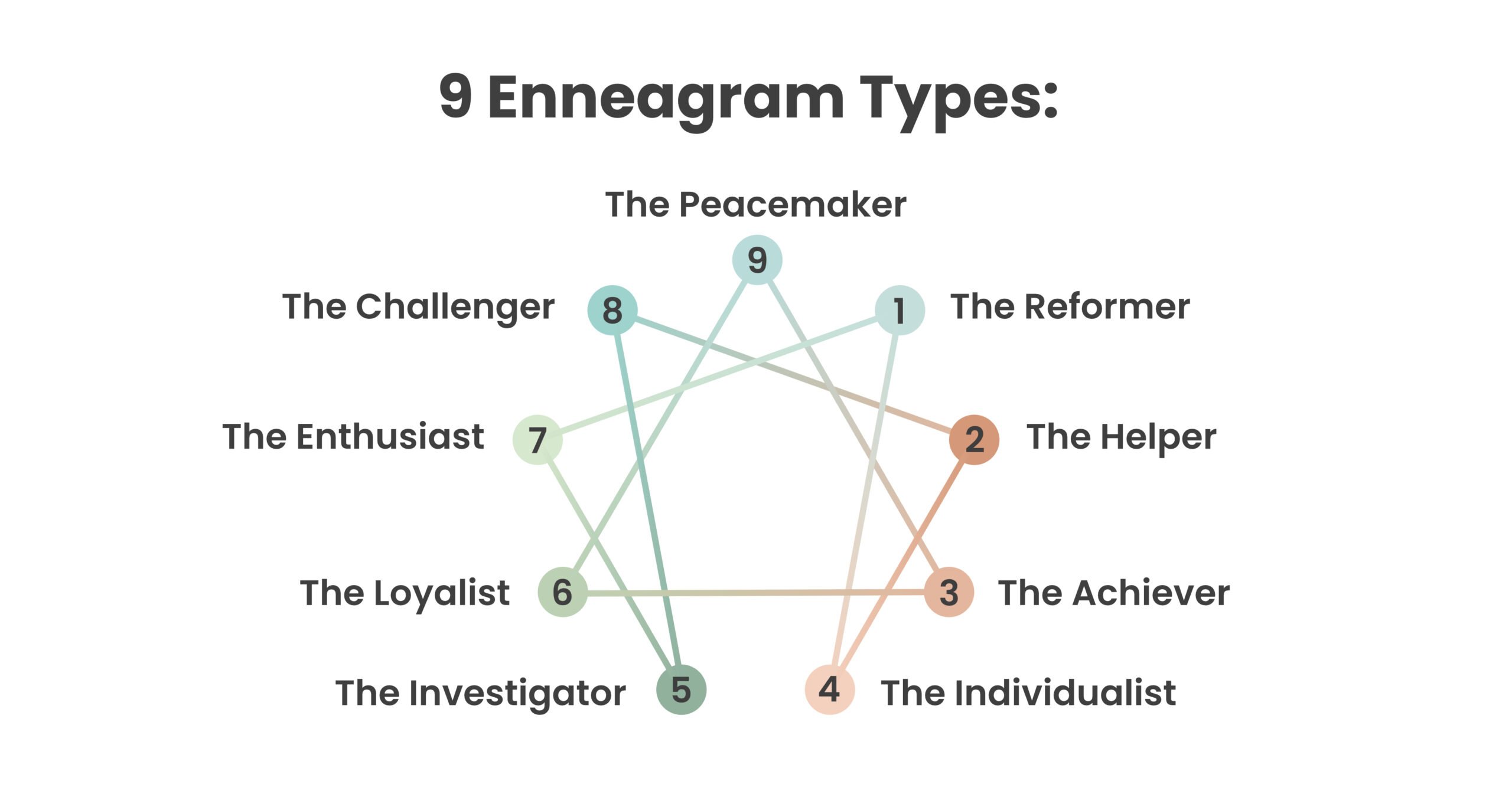
Helpers are empathetic, warm, generous, and deeply caring, but they often struggle with boundaries and tend to put others first, even at their own expense.
Even if you’re not like this in every part of your life, many people who date avoidants slip into this helper role in relationships.
How Helpers Behave in Relationships
Helpers love deeply. They remember details, offer support, and take pride in being reliable. They find meaning in taking care of others. It’s part of how they show love!
For me, it started early. I’m the oldest sister with much younger siblings, so I was always the responsible one, the one who helped and who organized things.
And yes, being a helper isn’t all bad. It’s actually attractive to avoidants. They crave the safety and nurturing you bring. But that same goodness: the giving, the empathy, the caretaking, can also make it far too easy for avoidants to dismiss you.
Here’s why.
1. You Put Their Needs Above Your Own
Avoidants already prioritize themselves. When you, as the helper, start doing the same, putting their comfort, plans, and moods ahead of your own, you reinforce the idea that their needs matter more than yours.
So when your needs clash with theirs, for example, you want comfort, and they want space, they feel justified in dismissing you. You both subconsciously agree that your needs are less important.
And when you believe that, they act on it.
2. You Put On a Brave Face
Helpers hate burdening others. So even when you’re hurting, you might act like everything’s fine.
You smile through pain. You send friendly messages when you’re falling apart. You become the “strong one.”
The problem? Your avoidant partner believes the act. They assume you’re fine. They can’t see that you’re quietly breaking down, because you’ve hidden it too well.
Avoidants aren’t mind readers. If you never show your struggle, they’ll never realize the impact of their behavior.
3. You Feel Guilty for Having Needs
This one hits deep.
If you’ve ever felt guilty for asking for reassurance, attention, or support, you’re not alone. Helpers often feel bad for simply existing with needs.
And that guilt sends a powerful signal. Your avoidant partner thinks, “If they feel guilty, maybe they really are being unreasonable.”
Suddenly, your needs look like demands. Your emotions look like overreactions. This is how guilt turns into emotional gaslighting, and how avoidants end up feeling justified in dismissing you.
4. You Believe You’re Replaceable
When your sense of worth is tied to how much you give, it’s easy to believe someone else could come along and “outdo” you: be more patient, more supportive, more loving.
That’s your fear talking, not reality.
Avoidants pick up on this insecurity. They sense that you don’t see your own value, and it gives them silent permission to take you for granted or even walk away.
But here’s the truth: They know you’re special. They know why they can’t quite let go. They breadcrumb you because they don’t want to lose you.
You just have to stop acting like you’re replaceable before they’ll stop treating you that way.
5. You Take Responsibility for Everything
Helpers feel responsible for their partner’s feelings, mistakes, even their messes.
Your avoidant partner knows it. They know you’ll reach out first after a fight. They know you’ll fix things, pay the bills, or smooth things over when they’ve been cold or careless.
This makes them complacent.
Why change when you’ll clean up the mess for them?
But this dynamic can shift. When you stop rushing to fix things, you create space for your avoidant partner to take responsibility. It may take time. Avoidants move much slower. But they will step up if you leave room for them to.
The Shift That Changes Everything
Your needs matter just as much as your partner’s. You don’t have to be endlessly strong. You don’t have to earn love by over-giving. You’re allowed to have boundaries, limits, and emotions.
Once I stopped trying to carry the relationship alone, everything changed.
Our dynamic became more equal. My then formerly avoidant boyfriend began worrying about losing me. And it all started with me releasing the guilt and remembering that I deserve love.
Final Thoughts
Being a helper type isn’t a flaw. It’s a beautiful strength, but it needs balance.
When you stop over-functioning, your avoidant partner has no choice but to meet you halfway. When you stop carrying all the emotional weight, they finally feel what it’s like to miss your warmth.
You don’t have to be perfect or fully “secure.” Just small shifts, a little less guilt, a little more honesty, can completely transform the anxious-avoidant dynamic.
If this resonates with you, be sure to check out our program Attach an Avoidant. Here we help you go from chasing to being cherished, from anxious and dismissed to seen and valued.

I hope you found this helpful. It’s never easy to see your own contributions that make avoidants treat you badly. Once you see it, you cannot unsee it. You also automatically stop tolerating dismissive treatment. Because you don’t deserve it, and it’s not your job to hold a relationship together!
Karolina

- How to Make Him Want You Back: 5 Steps (That Actually Worked) - 23. February, 2026
- Are You the “Helper Type”? That’s Why Avoidants Dismiss You So Easily - 6. October, 2025
- How I Finally Got My Avoidant Partner To Trust Me - 13. September, 2025

Hi there! We're Karolina & Gabriel
We always believed that relationships should be FUN and uplifting! And we were obsessed with finding real-world practical solutions for our relationship problems. Today we help others do the same with our blog.